Polarization and its Discontents
Does rising economic inequality undermine the foundations of liberal societies?
Economic inequality has been on the rise in almost all Western societies for the last decades. What is much less clear, however, is whether this trend is spelling societal problems, and when, to which extent and in what respects rising inequality may affect the nature of our societies. As hallmarks of liberal society, we specifically investigate to which extent rising inequality may be interfering with societies’ capabilities to allocate positions according to merit and talent, to engage in cooperative social relations, and to decide on political matters through fair and transparent democratic processes.
We invite you to browse and explore our website to learn more about the project and the team – and we hope that you may occasionally revisit to check for any updates or new publications that will be disseminated through this website in the future.
Thank you for your interest in our work!
Markus Gangl & the whole POLAR team
PROJECT AREAS
economic inequality
social
mobility
support for democracy
social
cohesion
TEAM
Prof. Dr. Markus Gangl
Much of my research is about understanding the processes that generate economic inequality, whether in the labor market, within families or through (lack of) public redistribution. In POLAR, I am interested in finding out whether and where rising inequality really matters, and also what may be done to keep the fabric of our societies intact.
Simon Bienstman
I am interested in the pathways and mechanisms through which inequality affects our societies.
Dr. Claudia Traini
Specifically, I am interested on the effects of economic inequality on social mobility and the effect of the latter on attribution of economic success.
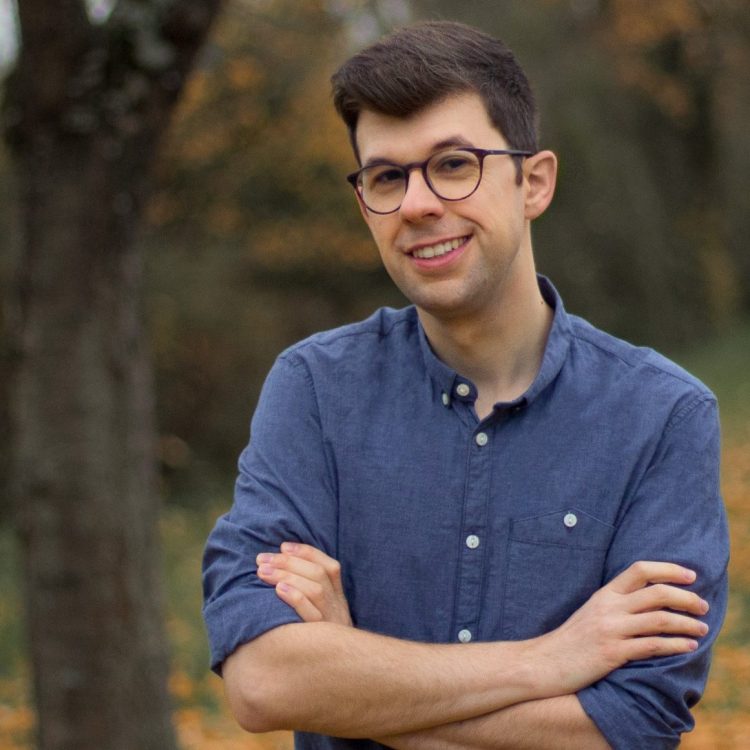
Sven Ehmes
I am interested in understanding how people experience economic inequality and how these experiences are entangled with experiencing other socio-economic changes of post-industrial societies.
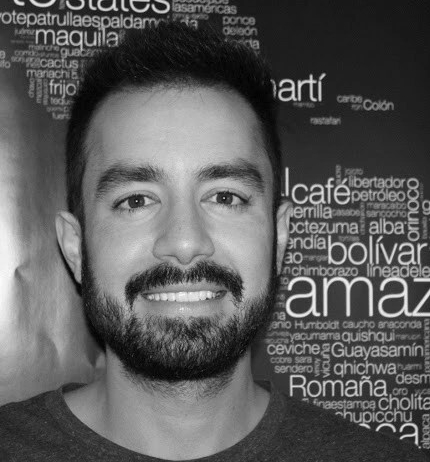
Cristian Marquez Romo, Ph.D.
I am particularly interested in the social forces that shape peoples’ values and, in particular, the impact of economic inequality on political attitudes and behavior.
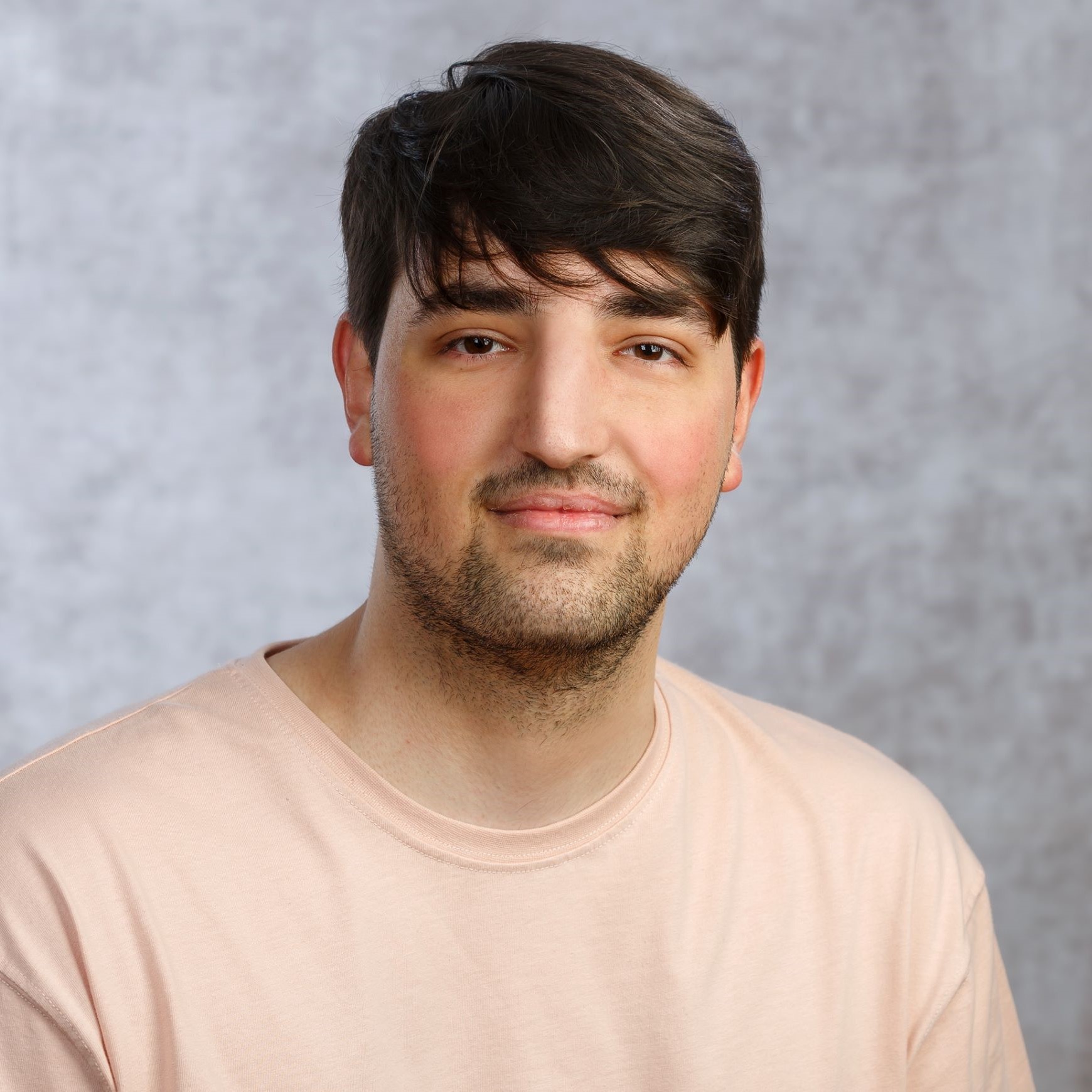
Emir Zecovic
I am particularly interested in the steps involved in working with large and diverse datasets.
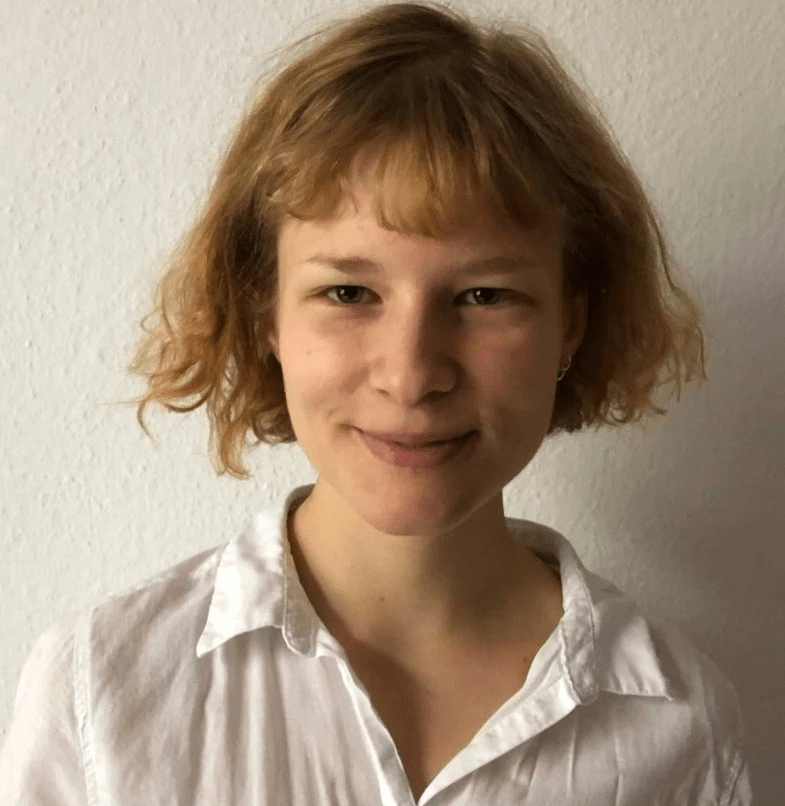
Sara Hueber
In addition to methodological questions, I am primarily interested in the influence of economic inequality on political attitudes.
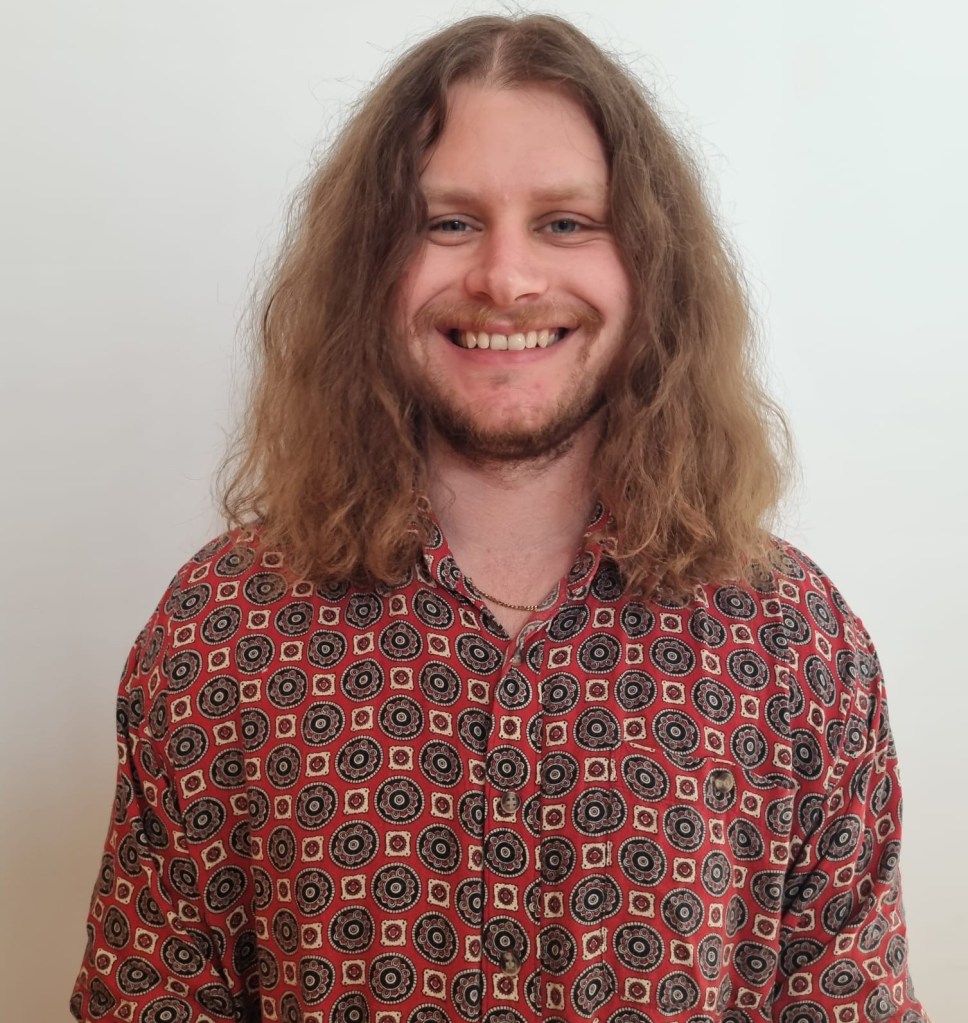
Stelios Nakos
NEWS
FUNDING
We gratefully acknowledge the generous funding of the European Research Council for this project (Grant Agreement No. 833196). The research of the POLAR project would not be possible without the ERC’s support.

 POLAR
POLAR 